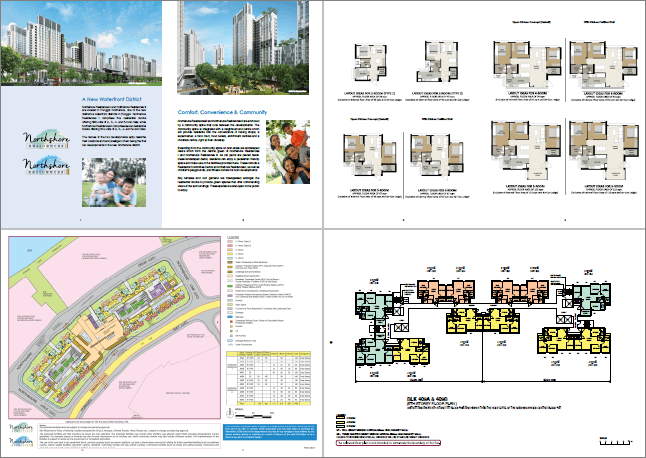
This page contains sample floor plans of 100 most common HDB flat types and most representative layouts. Many other layouts exists, unique layouts with slanted rooms, as well as variations of the standard layouts, these usually have larger sizes. List of updates.
Looking for certain town or flat type? Use Ctrl+F to search within this page.
Most-asked floor plans: 3STD 3I 4I – 3NG 4NG 5I – 3S 3A 4S 4A 5A - 1990s 4A 5I – 1990s Executive – 2000s 4A 5I EA – Maisonette – Jumbo – Pinnacle – Largest HDB flat
Not interested in Singapore, but looking for house plans?
1930s, 1940s, 1950s – SIT era
Singapore Improvement Trust set up in 1927, it ventured in public housing in 1932.
What it built: Lorong Limau (first houses by SIT, built 1932, no more info, source),Tiong Bahru pre-war (20 blocks, about 700 units, built around 1936, now conserved), Tiong Bahru post-war (54 blocks, about 1200 units, built in 1948-1953, half demolished in early 2000), Alexandria North Estate (mostly terrace, demolished 1990s), Guillemard Estate (mostly terrace, demolished in 1980s or 1990s), Old Airport Estate (built from/around 1958, most of blocks demolished in early 2000s so no idea how many blocks had, at least 2000+ SIT units plus 438 HDB units), Princess Elizabeth Flats Estate (built early 1950s, demolished 1978 or 1980s), Princess Elizabeth Park Estate (22-24 blocks, 6 3-storey and 2 7-storey, 162 units, rest shops, built 1951-1952, demolished 1996 (source), Queenstown New Town (details below), Redhill Estate (21 7-storey blocks, 882 units, built in 1955, demolition in 2016), Silat Estate (15 3/4-storey blocks, 262 units built in 1949/1952, demolished in 2011), Whampoa Estate (mostly terrace, demolished in 1990s except a small part), unknown-name estate around Race Course Road / Owen Road / Norfolk Road, unknown-name estate around Petain Road, many small estates or isolated blocks in or around Central Area, demolished long time ago and forgotten.
The four 9-storey blocks built in 1952 at Upper Pickering Street were first high-rise public housing in Singapore (with lifts). Last two demolished in 2003.
In 32 years, SIT built only 23,000 apartments, housing 8.8% of Singapore population of 1959.
Queenstown – the first Satellite Town of Singapore
In 1952 construction is started for Queenstown, being built far away from main city, is considered the first “New Town”. Its first neighborhood – Princess Margaret Estate (today known as Dawson) was finished in 1959, Forfar House (block 39), was completed in 1956 and was the tallest residential building in Singapore, with 14 storeys, demolition of estate began in late 1990s and completed in 2001. Using the aerial photo (shown below), I count about 1700 units east of Commonwealth Avenue (blocks 31-128), no idea how many units were in west side (blocks 1-30).
In late 1950s the work just begun for Neighborhood II – Dutches Estate and Neighborhood V – Queen’s Close Estate, both were almost completely demolished in late 1990s. SIT was dissolved in 1960 and HDB continued existing neighborhoods and started building Neighborhood III – Commonwealth and Neighborhood IV – Tanglin Halt. Beside the original plan, HDB added Neighborhood VI – Mei Ling and Neighborhood VII – Buona Vista (comprising Dover, Ghim Moh and Holland Village), making a total of 7 neighborhoods.
Tiong Bahru Estate, old map and old aerial view (1936-1953)
Notice in the aerial view, 3 blocks under “Trust” word? they are on Outram Hill and I appreciate if anyone can tell me more info! (do not confuse with Outram Park built by HDB in 1963)

more Tiong Bahru photos HERE<
The SIT blocks on Upper Pickering Street, Singapore’s first high-rise public housing.

SIT block in Prinsep street (~1950) and Redhill Estate (unknown year)

British proposal of Queenstown composed mostly by terraced units, different than the actual town.

Queenstown Princess Margaret Estate map and photo of Forfar House.
Note that south-west part of map is a different proposal than what was actually built.

SIT floorplans
Collection of Tiong Bahru Pre-War SIT blocks floorplans (3-room to 5-room):
http://tiongbahruestate.wordpress.com/2007/06/29/tiong-bahru-pre-war-floor-plans/
http://tiongbahruestate.wordpress.com/category/uncategorized/
After-War late 1940s / 1950s SIT blocks with 2-Room / 3-Room Standard flat, from Tiong Bahru and Redhill

SIT built 4-Room flats too, at least in Silat Estate. There is no evidence that SIT built 1-room flats.
Landed HDB flat ?
During 1950s (or even earlier), SIT also built terraced houses. Only 3 clusters of this type survived: Jalan Bahagia (in Whampoa, 28 blocks, 200 units), Stirling Road (in Queenstown, 13 blocks, 84 units), Upper Boon Keng Road / Lorong 3 Geylang (in Kallang, 16 blocks, ? units), dubious estate, some maps display as private housing. The 3-Room ones were originally 78 sqm, some of Stirling ones are 4-Room. Many owners built extra rooms in front, back, or even side in case of corner terrace, enlarging them to over 200 sqm, according resale transactions.

1960s – HDB beginnings
HDB took over SIT in february 1960, when construction areas were only in and around Central Area. In 1960s construction started for Bukit Ho Swee, Brickworks, Henderson estates (in Bukit Merah); Bendemeer, Boon Keng, Kallang Bahru and Tanjong Rhu estates (in Kallang), Chai Chee (part of Bedok), MacPherson (in Geylang), Upper Aljunied (in Toa Payoh), Taman Gardens (in Jurong West) and Toa Payoh New Town; construction continued for Queenstown, Old Airport and Whampoa.
Construction of Toa Payoh, HDB’s first truly New Town which incorporates a town centre and several neighborhoods, started in 1965.
1960s estates composed only by linear slab blocks (corridor style) in most common height of 10 storeys and usually with 12 units per floor, but several blocks were very long. Minimal distance between facades was not regulated, usually 15-30 metres.
HDB aimed to build 50000 flats in first 5 years. Kampong clearance has been started.
Old photos with Outram Park and Kallang Estate

Old photos with Queenstown New Town, Princess Margaret (1952-1958) and Tanglin Halt (1962-1964)
site down for ever and I didn’t saved photos in my computer


Old photos with Bukit Ho Swee estate (1962-1964).
Originally mistaken as Queenstown, because I didn’t know that Bukit Ho Swee also had blocks less than 10 storey. The 7-storey blocks in left side contains 1-Room Emergency flats.

Old photos with Toa Payoh New Town, first phase built 1965-1973

1960s typical HDB floor plans
During 1960 and 1970, HDB flat types were Standard (with WC) and Improved (with WC and shower), the areas varied much, like 1-Room (23-33 sqm), 2-Room (35-45 sqm), 3-Room (50-70 sqm), and unlike SIT, HDB built just very few 4-Room (70-85 sqm) in Outram Park, Henderson and Toa Payoh.
The 1-Room and 2-Room Emergency flats feature double-loaded corridors, I am not sure if they were introduced due of Bukit Ho Swee fire or before it, none of these survived 2 blocks survived at King George’s Avenue / Maude Road. Floor plans without dimensions on HDB page, the idea of double-loaded corridors has been used for 1-Room improved in late 1960s and 1970s.
I estimate average size during 1960s around 40-50 sqm.
1960-1970 slab blocks with 2-Room Standard (44-45 sqm), 3-Room Standard (50-55 sqm), 4-Room Standard (70-75 sqm)
Most blocks of this type were upgraded with utility rooms, some with bedroom extension including en-suite toilet.

1965-1980 slab block with 1-Room Improved (33 sqm)
There’s a single 1-room block sold (Telok Blangah block 7), all others are rental blocks have no floorplans available. Some 1-Room blocks are 3 meters wider, units 50 cm longer, larger facade slits and an extra window behind toilet. Can somebody tell me the floorplan or size?

1965-1988 slab block with 3-Room Improved (60 sqm), 3½-Room Improved (69 sqm)
Most blocks of this type were upgraded with 5-6 sqm utility rooms, but these vary in shape and size so that is why I posted here original floorplan without utility room.

1965-1980 slab block with 4-Room Improved (82-84 sqm or -88 sqm with kitchen extension), stairs for each two units.

1965-1975 point zig-zag block with 3-Room Improved (72 sqm or 76 sqm with utility extension)

JTC floor plans
Jurong Town Corporation established in 1968, what they built: Taman Gardens (built 1969-1974?, most demolished in 1990s and 2000s), Boon Lay Gardens (built 1974-1978, mixed with HDB, most demolished in 1990s and 2000s), Teban Gardens (built 1977-1978, mixed with HDB, some demolished in 2000s), Pandan Gardens (built 1978-1979, all survived), Sembawang (7 blocks demolished in 2004). The 5-Room point blocks built a by JTC have a unique feature: 2 entrance doors!

Anyone have a floor plan of the JTC 4-Room point blocks (zig-zag ones)? Last ones will be demolished in 2013.
1970s – New towns era
In 1973 construction started for Bedok, Marine Parade, Marsiling, Telok Blangah New Towns; also for smaller estates like Geylang Bahru (in Kallang), Aljunied, Haig, Eunos and Sims (in Geylang), Dover, Ghim Moh, Holland Village (in Queenstown); Pandan Gardens and Teban Gardens (in Jurong East); Boon Lay Gardens (in Jurong West); Farrer Road Estate (in Bukit Timah), Lor Lew Lian Estate (in Serangoon), Sin Ming Estate (in Bishan), Hillview Estate (in Bukit Batok, demolished in 2005).
Construction continued in Toa Payoh (blocks 210-235) and Queenstown (Holland, Ghim Moh, Dover).
Several years later construction started also for Ang Mo Kio, Clementi / West Coast, Hougang (only several blocks), Nee Son / Yishun New Towns; also for Teck Whye Estate (part of Choa Chu Kang).
Some small estates named Rural Centres were built but I am not sure in which period: Changi Village (considered in Pasir Ris), Kranji / Lim Chu Kang (abandoned from 2002), Punggol Road End (in Sengkang area, demolished in 2004), Seletar Road (in Serangoon area), Seletar West Farmway (in Sengkang area), Sembawang Road End (demolished in 2004).
1970s generation estates were dominated by big slab block in most common heights of 12, 13 or 16 stories and usually with 14 or 18 units per floor, most were over 100 metres long, plus point blocks of 20 and 25 storeys. Unlike the past 1960s, in most 1970s blocks, the first (ground) floor is void deck. Minimal distance between facades was 30 metres.
Marine Parade was, and is still the most prestigious HDB estate, also the oldest HDB estate remained intact (no demolished or new blocks). Built between 1973 and 1976, it contains about 7900 units in 56 blocks, slab blocks with 2/3/4-Room flats and also 17 tower blocks with 96 units of 120 sqm 5-Room flats. Average flat size: 76 sqm, a record for their age (today average is a little bigger due of upgrading programes and many adjoined flats in 3-room blocks.
Ang Mo Kio / Marine Parade

Clementi (~1978) / Telok Blangah (~1978)

1970s typical HDB floor plans
In early 1970 were introduced point blocks with only 4 units per floor. The earliest ones had 4-Room Improved flats (88 sqm), but later became standardized to 5-Room Standard/Improved flats (117-125 sqm), all have 2 toilets, both with WC and shower, one attached to master bedroom. 30 blocks with 4-Room and 223 blocks with 5-room were build until around 1985.
In 1975 were introduced New Generation flat types: 3-Room (67 / 82 sqm) and 4-Room (92 sqm), these have 2 toilets, both with WC and shower, one attached to master bedroom. 3/4-Room Standard disappeared in early 1970s while Improved in late 1970s. In 1975 were introduced 5-Room flat types also on slab blocks, as distinct from tower blocks. The average size rose from 60 sqm in early 1970 to 75 sqm in late 1970s estates.
1975-1988 slab block with 3-Room New Generation (67 sqm), 3½-Room New Generation (82 sqm), and 4-Room New Generation (92 sqm), big kitchen

1975-1988 slab block with 4-Room New Generation (91 sqm), stairs for each two units

1975-1978 slab block with 5-Room Standard (117 sqm), stairs for each two units. Also contains some 4-Room New Generation (89 sqm) at lift level.

1978-1988 slab block with 5-Room Improved (121 sqm), stairs for each two units.
4-Room New Generation (98 sqm) at the lift level

1972?-1974 point block with 4-Room Improved (77-84 sqm)

1974-198? point block with 5-Room Standard (114-123 sqm) and 5-Room Improved (117-123 sqm), I don’t know the difference, the type with longer master bedroom exists both as Standard and Improved.

Jumbo Flats: flats joined by HDB and resold with fresh leases, as 4-Room Model A, 5-Room Improved / Model A, Executive Apartment, they CAN be 3-Room + 4-Room. Adjoined Flat: flats joined by owners, called 4-Room / 5-Room / Executive Adjoined Flat, they cannot be 3-Room + 4-Room.
Do not confuse with Multi-Generation blocks built in 1980s!
Here is a 5-Room Improved created from two 3-Room Improved and two Executive Apartment created from one 3-Room with one 4-Room

1980s – More new towns
In the early 1980s construction is started for Bukit Batok, Hougang, Jurong, Serangoon, Tampines, Woodlands (which integrates Marsiling), Yishun (which integrates Nee Son) New Towns, Bukit Purmei Estate (in Bukit Merah), Ubi Estate (in Geylang), Kaki Bukit Estate (in Bedok), Joo Seng and Potong Pasir Estates (in Toa Payoh).
In the late 1980 construction is started for Bishan, Bukit Panjang, Choa Chu Kang and Pasir Ris New Towns, Simei New Town / Estate, Kembangan Estate (in Bedok), Toh Yi Estate (in Bukit Timah), Jurong New Town is expanded with Nanyang area. Also little additions for Clementi and Toa Payoh.
1980s generation estates are composed by slab blocks in most common heights of 4, 10, 12, 16 storeys, usually with 10 or 12 units per floor, plus the well known 25-storey point blocks. By unknown reasons, after 1985 only few blocks were built with more than 12 storeys. Compared with previous decade, 1980s blocks were arranged in more rigid patterns and block corners were bend to give the precinct a sense of enclosure. Most blocks were perafectly aligned to west-east direction to avoid sun, the blocks oriented north-south were low-rise. Minimal distance between facades were 24 metres.
Prefab HDB blocks
In 1980s they started using prefabrication in HDB flats, allowing a record production of HDB flats, according Wikipedia “Using prefabricated parts, a block of high-rise flats could be built in a month” but I do not believe. Also I never understand something: today blocks use prefabricated panels too and have nothing similar with these, and are built in 3-4 years. Probably they were referring that in 1980s they made blocks entirely prefab, load-bearing prefab walls.
These 1980s prefab blocks with load-bearing walls can be identified by being uglier, having simple floorplan, plain external walls (unlike normal blocks which have columns visible on facade and windows pushed back), and having ceiling leaks. They achieve lower prices than normal blocks, you are not allowed to hack most of walls (sometimes HDB approve to hack a door-sized hole, store room sometimes can be hacked).
Bishan neighborhood 1xx (1985-1988) / Bukit Batok (1984-1985)

Hougang Central (~1989) / Woodlands neighborhood 1xx (~1985)

1980s typical HDB floor plans
In 1982 along New Generation, were introduced Model A types: 3-Room, (75 sqm), 4-Room (105 sqm), 5-Room (135 sqm). In 1984 were introduced Simplified types, 3-Room (64 sqm), 4-Room (84 sqm).
Also in 1984 were introduced Executive type (140-155 sqm), having 3 large bedrooms and utility/maid room, it replaced the 5-Room Model A. Most of Executive units were Maisonettes (double storey) the rest were Apartments (single storey). Maisonettes built in 1983-1984, before introduction of Executive name, were called 5-Room Improved-Maisonette or 5-Room Model A-Maisonette, many people asked me what is a 5-Room Maisonette and what is the difference compared with Executive Maisonette, the only difference is the building year.
In 1987-1988 were introduced new series of 4-Room Model A, 5-Room Improved, and Executive, with 4 bedrooms or 3 bedrooms plus study room with sliding doors, rather than 3 bedrooms plus utility room for former EAs.
Multi-Generation flat are a rare type, only 7 blocks of this type were built in 1987 (Bishan 137, Tampines 454, 460, Yishun 605, 632, 633, 666), viewed from street they look like 3/4-Room Simplified blocks, but units are paired, having 2 kitchens and 3 toilets.
New Generation flat types disappeared around 1985, but surprisely, several blocks of 3-Room Improved were built in late 1980s.
1- and 2-Room flat types phased out, last blocks being Tampines 441, 442, 466, 471. Average HDB flat size for 1980s estates is 90-95 sqm.
From 1989 no more 3-Room were built, also 4-Room Simplified phased out, this boosted average size for new HDB flats to over 100 square meters.
1984-1989 slab block with 4-Room Simplified (84 sqm) and 4-Room Model A (104 sqm)

1984-1989 slab block with 3-Room Simplified (64 sqm), 4-Room Simplified (84 sqm) and 5-Room Improved (120 sqm)
Oct 2010 – finally found a 3S floorplan with dimensions. A 4-room Model A lift-level version under 5-Room Improved should also exists.

1982-1989 slab block with 3-Room Model A (73-75 sqm) and 4-Room Model A (105-108 sqm)
3½-Room Model A (88-90 sqm) exists but is so rare that I never found floorplan.
Website visitors reported that early 4-Room Model A have different floorplan, similar in shape with 4-Room New Generation with toilets near each other, but big as 105 sqm instead of 92 sqm.

1982-1985 slab block with 5-Room Model A (133-135 sqm), 2 units per floor
Rare block type but still from standard lineup, posted after requests from 3 people.

1983-1984 slab block with 5-Room Model A Maisonette (137-140 sqm, some -155 sqm) and 5-Room Model A (? sqm) on corners
1984-1988 slab block with Executive Maisonette (144-147 sqm, some -160 sqm) and Executive Apartment (146 sqm) on corners

1987-1990 slab block with 4-Room Model A (104 sqm) and 5-Room Improved (121 sqm), some blocks have L-shaped corners, with 4-Room Model A (108 sqm) and 5-Room Improved (122 sqm)


1992 slab block with 4-Room Model A (around 100-110 sqm), very WEIRD block type
4A-only rather than 4A/5I mix like in 1987-1991 and 1993-1996 blocks, the units at non-lift level have a tiny balcony facing to staircase void, while the unit just above lift-level have a huge balcony sized like the bedroom of the lift-level units (no floorplan found)
Posted in Aug-2012 after someone living in this kind of block asked me for a floorplan, I decided to post them since there are many blocks of this type.
Update Aug-2012: website visitors told me that 5-Room Corner also exists.

Update Oct-2012: additional corner floor plans for 4-Room Model A / 5-Room Improved, initially posted as 1988-1990 block model but today I tend to think that are from 1992 block. Who live in this type of blocks, please clarify!

1988-1992 slab block with Executive Apartment (142 sqm) and Executive Maisonette (146 sqm)

1987-1988 slab block with Multi Generation flats (151-171 sqm)

1990s – Golden era
In the early 1990s no New Town was started. Construction continued in Choa Chu Kang, Hougang, Pasir Ris, Tampines, Woodlands, and many small areas in other towns.
In the late 1990s construction is started for Sembawang, Sengkang Punggol New Towns, and continued for Bukit Panjang, Choa Chu Kang, Hougang, Jurong East, Jurong West (Pioneer area), Woodlands.
1990s was the most prosperous decade. Construction rate was 25000-35000 units per year. HDB stopped deciding the prices of new apartments based on construction costs, now are decided based on market prices. Resale market prices and new apartment prices entered in a vicious circle, rose with 50% in just 6 months of 1993 and tripled to 1996, then felt down and stagnated after 1998 (source).
The profit seems that was used for increase in quality. Many things were changed for blocks completed from 1993 onward: new lifts stops on every floor, refuse chutes were centralized. Every new housing estate have multi storey car parks, so no more cars are parked on the street. This allowed higher density, taller blocks, and a lot of green space between blocks.
Blocks height vary between 9 and 18 storeys, most are with 15 storeys. No more walk-up blocks were built. Structural elements became thicker, 30 cm or more, rather than 20 cm, and more pillars per block (I do not know if HDB blocks are designed to withstand earthquakes). Unfortunately minimal distance between blocks was reduced to 18.3 metres (60 feet). All blocks are linked with car parks, bus stations and other facilities, with covered walkways, so no more problems if the sun is too hot or is raining.
In middle 1990s HDB introduced Premium Apartments, precincts which are individually designed and built with better quality finishes, you get them in ready-to-move condition, with flooring, kitchen cabinets, built-in wardrobes. In Standard Apartments you get empty rooms waiting your renovation.
Also from 1991, various upgrading programmes were launched for older estates, that are improved with multi storey car parks, lifts that stops on every floor, former ground parking spaces between blocks transformed in parks.
The former HUDC estates started to be privatised in 1995.
Most of 1- and 2-room rental blocks were demolished during 1990s, or even earlier, the cleared land was reused for building blocks with 5-room and Executive units. Other rental blocks were converted in owner-occupied flats, sometimes HDB adjoined the units two by two, creating what is called Jumbo flat (most are in Woodlands, Yishun some in Tampines and Jurong East). Jumbo flats size vary from 90 sqm (adjoining two 2-Room flats) to around 190 sqm (adjoining 3-Room and 4-Room Model A flats). Individual owners are allowed to buy an adjacent flat and adjoin them, but only for 3-Room or smaller flats.
With SERS, owner-occupied blocks were demolished and residents moved to new blocks built in nearby location. First site was announced in 1995 and demolition occurred in 1999. Usually old blocks with large space between them are selected for SERS, while dense and tall blocks are selected for upgrading. But exceptions happens: three 25-storey tower blocks from Hillview were announced for SERS in 1999 and demolished in 2005 after only 25-30 years I estimate.
Bukit Panjang (~1990) / Bishan neighborhood 2xx (1992)

Pasir Ris blocks 6xx (1995) / Jurong East – Toh Guan Road precinct (1998)

1990s standard HDB floor plans
From 1992 the HDB flat types were slightly enlarged but much more diversificated: 4-Room Model A (100-108 sqm), 5-Room Improved (120-128 sqm), 5-Room Model A (133-137 sqm), Executive Apartments / Maisonettes (142-150 sqm). Some Executive Apartments have 3 toilets (2 master bedrooms) 2 years passed and I still did not saw any such flooplan, probably it is referring only to Jumbo, converted flats. More and more 5-Room and Executive were built, this increased average size of new flats to about 120-125 square meters.
A small number of 2-Room flats has been built in 1994 (Pasir Ris block 142), does anyone have more info about these mysterious dwellings?
1993-1995 block with 4-Room Model A (107 sqm) and 5-Room Improved (125 sqm)

(no floorplan found for 5-Room Improved pair of this block type)
1996-1998 block with 4-Room Model A (100 sqm) and 5-Room Improved (120-123 sqm), some blocks have some smaller units named 4-Room Model A2 (90 sqm), some have different corners with 4-Room and 5-Room units, others have a wing with 2 units of 5-Room


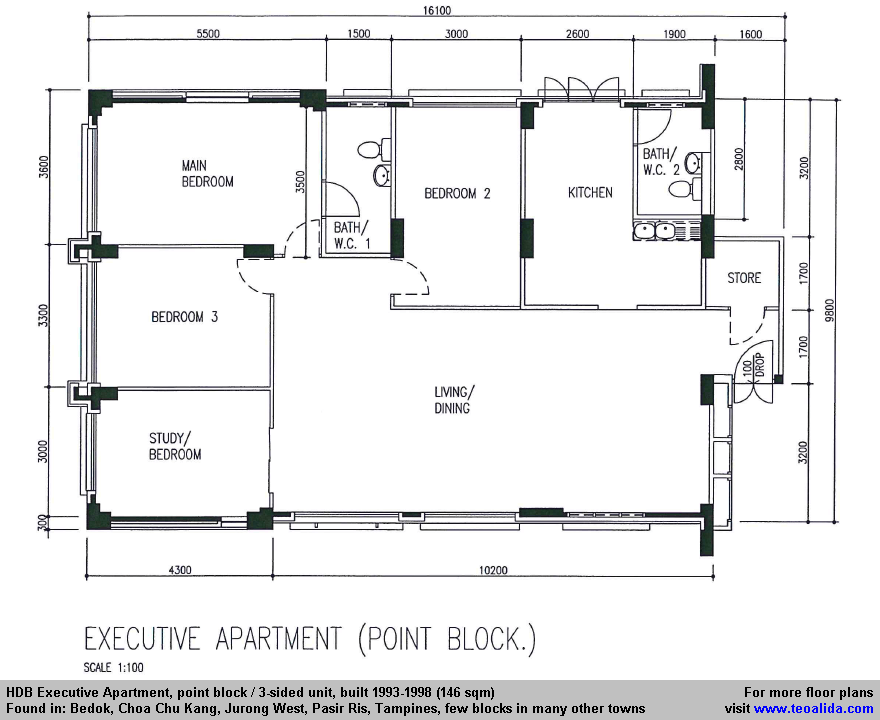
1993-1998 blocks with Executive Apartment (144-147 sqm), some are L-shaped with 4 units per floor or U-shaped with 5 units per floor, some are longer like slab blocks and include corridor units, some also contains Executive Maisonette

1993-1998 blocks with Executive Apartment (142-146 sqm), some are square blocks with 4 units per floor (of which 2 use right plan), some have one side with 4 units and other one with 2 units per floor

1990s non-standard and crazy HDB floor plans
UNIQUE, 1997 Premium contract Tampines blocks 498 composed by 4-Room Model A (106 sqm), 5-Room Improved (126 sqm) and Executive Apartment (144-148 sqm).

UNIQUE, 1998 Bedok block 140 with 5-Room Improved (121 sqm), 3 balconies!

UNIQUE, 1997-1998 Premium contract Bukit Batok blocks 288/289 composed by Executive Apartment (144 sqm) and Executive Maisonette (165 sqm), EA have 3 balconies!

UNIQUE Executive Apartments

UNIQUE, HDB Penthouse Maisonettes
They are located in topmost floor of some 1990s precincts in Bishan (52 units), Choa Chu Kang (12 units), Queenstown-Strathmore (4 units), (source), also unknown number of units in Hougang and Pasir Ris. They are up to 190 sqm, plus a roof terrace
Posted in March 2012 for KZ (the boy who keep annoying me “post this, post that, post more!”)

First downsize of flats
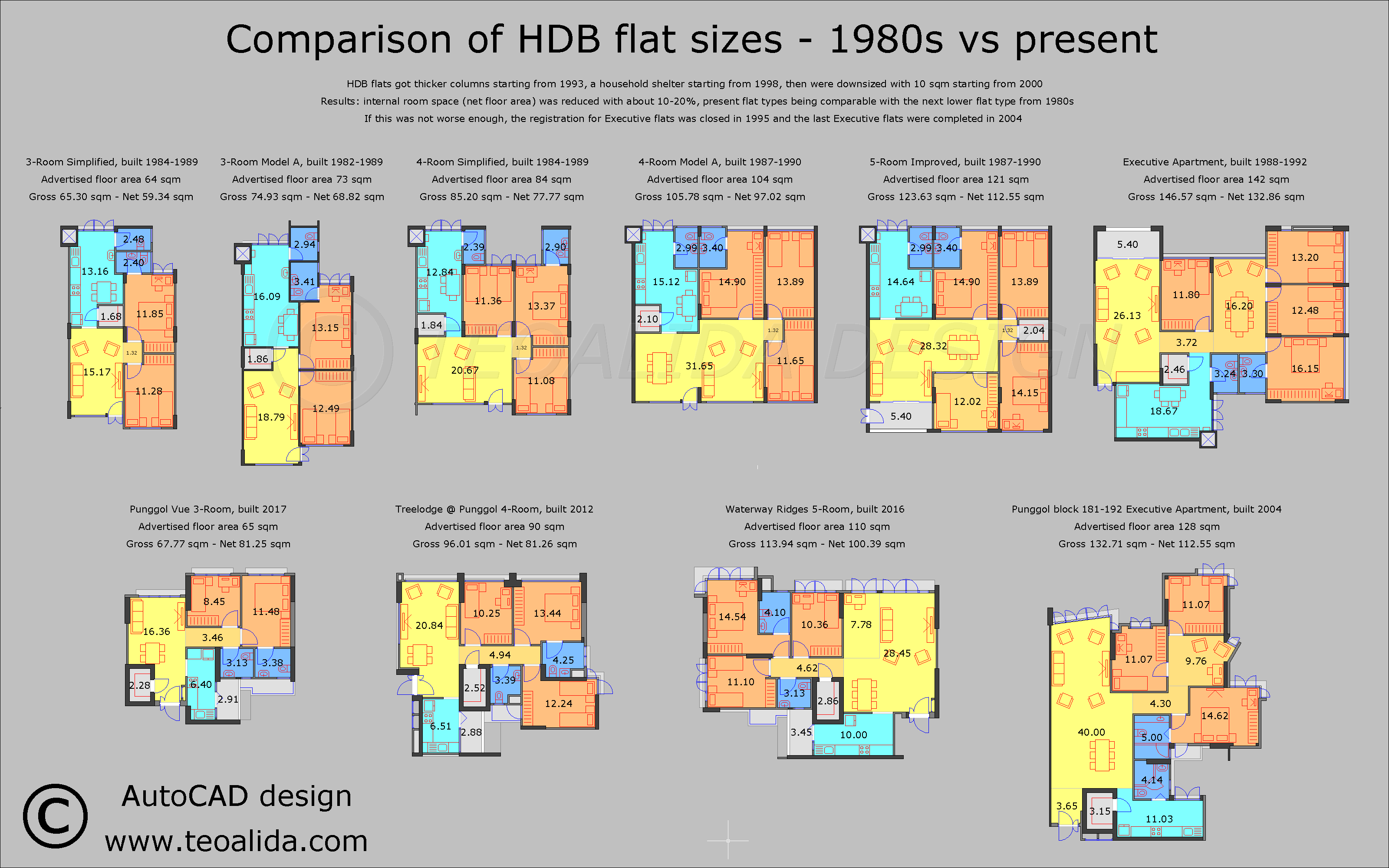
Another change for the flats topped in 1998, the flat areas were standardized to a slightly smaller size: 4-Room (100 sqm), 5-Room (120 sqm), Executive (140 sqm), they replaced the store room with a household shelter with strengthened 30 cm walls and sealing door, which eats about 5 sqm of space, and hacking it is not allowed. A bad idea and useless thing in my opinion, but the worst part is sometimes placed in middle of flat, making the layout less flexible. Average flat size 110 sqm.
5-Room no longer have study area. Executives are 3 bedrooms plus open study area that can be walled into a 4th bedroom.
1998-2000 block with 4-Room Model A (100 sqm), 5-Room Improved (120 sqm) and Executive Apartment (140 sqm), some blocks have 4-Room Model A2 (85 sqm)

1998-2000 block with Executive Apartment (140 sqm) and Executive Maisonette (142 sqm).
Executive Maisonette with bomb shelter RARE, only 10 blocks!! (no floorplan found for EA pair)

Second downsize of flats
The flat sizes topped in 2000 were shrinked: 4-Room (90 sqm), 5-Room (110 sqm), Executive (130 sqm), Maisonettes were dropped. But because of building large amount of 5-Room flats (which are simply 3-bedroom flats with larger rooms), the average size remained high as 105 sqm.
2000-2002 block with 4-Room Model A (90 sqm), 5-Room Improved (110 sqm) and Executive Apartment (130 sqm)


2000s – Little decline
After 2000, no other New Town or Estate were started. Construction continues only in existing estates.
The demand for new flats felt sharply in 1998 due of 1997 Asian Crisis, the year in which HDB planned to finish a record number of units. HDB accumulated about 40000 unsold units in the year 2000, most of them being 5-Room and Executive.
Classic selling system (Registration for Flat) was suspended.
Walk In Selection has been introduced in 2002 to help clearing the stock of unsold flats.
Build-To-Order was introduced in 2001 and became main supply of flats. Tender for construction is called only if at least 70% of units have been booked, otherwise the project is canceled and may be re-launched when will be more demand, with a different name and sometimes different design.
The first BTO projects were launched in April 2001 and were completed in early 2005. For the first projects were low interest, 5 of them being cancelled. But later, the demand increased and most projects became oversubscribed, so from 2008 HDB launch 2 BTO projects every month. Each project have usually 400-1000 units, since 2010 some have 1500+ units. The construction ratio may reach 30000+ units per year in 2013.
Design, Build and Sell Scheme are public housing built and sold by private developers, it feature condo-style facades, but without guards, pool, or other condo facilities, it is still public housing! First DBSS project was launched in 2006 and completed in 2009. See the List of DBSS sites on HDB website and my List of DBSS that include statistics.
In 2007, due of bad economic conditions and increased number of poor people, HDB resumed building rental blocks, corridor-style with 1- and 2-room apartments.
Walk-in Selection ended in 2007 and was replaced by Sale of Balance Flats twice per year.
BTO system prevent HDB to built surplus of units, but due of the 4-year waiting time from application to receive keys, this stupid BTO system created a massive deficit which caused flat prices rising in late 2000s.
Taller and taller blocks were built, in areas where are no height restrictions. 30-storey complexes appeared since late 1990s, and the first 40-storey complex (Toa Payoh Towers) was completed in Q1 2005.
Bukit Batok West Avenue 5 (2005) / The River Vista @ Kallang (2010)

Sembawang – Blue Riverview (2001) / Toa Payoh HDB Hub and Central Horizon

Sengkang – Compassvale South Gate (2001) and Coral Vale (2004)

Punggol – Edgedale Green and Periwinkle

2000s random HDB floor plans
Along 4-Room (90 sqm) and 5-Room (110 sqm), in 2004 they announced reintroduction of 3-Room (60 sqm, later ones 65 sqm) via BTO system, first being topped in 2008. But personally I see some 3-Room built early as 2002 (Cantonament Road block 8, 9, 11, 18 probably built for SERS).
Due of large amount of unsold flats of larger sizes, HDB stopped building Executive Apartments, last one being topped in 2004, also very few 5-Room were topped in 2007-2009 (Executive Maisonettes no longer built since 2000). The average size of new flats dropped from 105 sqm in 2002-2004 to 90 sqm in 2007 and around 80 sqm later (further calculation is necessary for precise numbers).
The privacy was improved, as HDB no longer build corridor-facing flats since early 2000s (except rental blocks built in late 2000s). Overall, all rooms became smaller, as Executive are no longer build, most 5-room got back the study area.
Studio Apartment were launched in 1998, sold with 30-year leases for people aged over 55, these are classified as 1-Room 35 sqm and 2-Room 45 sqm, but all have separate bedroom). Originally were built in all-studio blocks, but from 2006 were mixed in BTOs with normal 3-, 4-, 5-room units.
A common misconception is that Executive Apartments were replaced by Executive Condominiums. This is WRONG! Executive Condominium scheme was launched in 1995, it is private housing under eligibility rules similar with HDBs, they offer flat sizes varying as much as 50-200 sqm, no idea why the word Executive takes part of it.
Too many different layouts were build in the 2000s, most flats are similar in circular pattern: living – small bedrooms – master bedroom – bathrooms – kitchen, but a lot of variations in room sizes, there are floor plan variations even from one floor to another floor of same block, so is not possible to post on my website all possible floor plans.
If you want floorplan of a certain block, try googling its precint name (rather than block number). Look on www.renotalk.com or other forums, where people post their floor plans asking for renovation ideas. Note that floor plans with dimensions are provided only when the block is nearly completed, so do not ask me floor plans of under construction BTO. For those, I have PDF brochures, without dimensions.
Pre-BTO era Punggol floor plans: 4-Room (90 sqm), 5-Room (110 sqm) and Executive (130 sqm), oversized living room


BTO/SERS era mix: 2-Room Studio (45 sqm) from Commonwealth View SERS, 3-Room (66 sqm) from Straits Vista BTO / 4-Room (90 sqm) from Membina Court SERS, 4-Room (90 sqm) from Kallang Heights SERS with bad-shaped living room, 4-room with central living room from unknown area. Point mouse cursor on photos for details!

Sembawang Blue Riverview: pie-slice Premium Executive Apartment (137 sqm)

THIS is how does look a block full with unsold Executive Apartment (140 sqm?) split into 2-Room (52 sqm?) and 3-Room (83 sqm), 5 sqm lobby, resulting in a fucking crazy layout! Notice window position for living room and master toilet! I am curious if they built another bomb shelter for the 2-Room! This is from Sengkang, there are also in Jurong West.

Pinnacle @ Duxton
The construction of the first 50-storey public housing complex commenced in 2005 and was completed in december 2009, because in february 2010, HDB anniversary 50 years of history. It is the biggest BTO, having 1848 apartments (7 blocks × 44 residential floors × 6 units per floor). 35 unit variations are created by different bay windows, balconies and planters.

But in my opinion, is the worst HDB in history, because:
Seven identical rectangular blocks placed in a row makes the complex to look like a ugly wall which reminds me of Hong Kong, blocking views and sun to nearby buildings.
The unaligned windows and randomly placed balconies and planters makes the complex to look even more ugly.
If it is a so special project, why the flats still have standard sizes, 90 sq m for 4-Room and 103 sq m for 5-Room? All flats have similar layout with three bedrooms, the single difference is the livingroom slightly bigger.
Thicker columns reduce the usage space, the hallway eats space too. Common rooms are only 3.4 by 2.8 meters, another negative record in HDB history. Even in the 1960s and 1970s, even in 2-Room flats, every bedroom was 4 by 3 meters (or larger).
The kitchens are facing inside of block, some people criticized that but personally I do not see this a bad thing compared with other contemporary projects.
A security flaw may allow burglars to break in via toilet window, raised concern along some residents, see the story.
2010s – Today trends
The demand for HDB flats is very strong nowadays. Buyers who do not want to wait 3-4 years for BTO completion are forced to go in resale market, THIS caused the resale prices to double from 2007 to end of 2012 and the prices of new flats grew according to resale prices.
HDB launched 9000 BTO flats in 2009, 16000 in 2010, 25000 in 2011 (3000 more flats than planned at beginning of year), and this still did not cope the demand. Another 25000 BTO flats are planned for 2012, I am sure that they will build even more flats, to fill the DBSS gap.
DBSS land sales were suspended in July 2011 after the Sim Lian Group, developer of Centrale 8 (8th DBSS) set outrageous prices around $880.000 for 5-Room, also the project was badly designed and apartment sizes were smaller than the HDB standard of 90/110 sqm. So far 13 land parcels were sold for DBSS.

SkyVille & SkyTerrace @ Dawson, two iconic BTOs were launched in december 2009. The apartment sizes were even smaller than in Pinnacle@Duxton, to 83 sqm for 4-Room and 101 sqm for 5-Room, probably for reducing prices, but they are still the most expensive HDB apartments ever offered for sale, due of prime location near Queenstown MRT. SkyTerrace feature loft and paired units (similar with dual-key units in condos), this design caused some waste of floor space of the already too small and too expensive apartments, but both were still oversubscribed (9865 applications for all 1718 units, up to 12 applicants for each 5-Room unit, but in case of 3-Room units were slightly less applicants than units).
Other BTO projects of 2010s decade remained at the standard sizes 45 / 65 / 90 / 110 sqm. Due of high demand for 5-room, the average flat size rose from 78 sqm for BTO launched in 2010 to 83 sqm for BTO launched in 2012.
But the DBSS sizes sucks, Trivelis 5-room is only 105 sqm of which 17 sqm is wasted. Comparing with balcony size which is specified: 12 sqm, living room is 3×5 meters and common bedrooms 3×2.5 meters… click to BE SHOCKED.
Future HDB towns
According Wikipedia, after the current New Towns will be saturated, HDB will start Tengah, Simpang, Bukit Brown, Bidadari and Seletar New Towns… this info seems to be extracted from Concept Plan 2011.
Bidadari New Town will be started in 2012 and may get first residents in 2015… BUT in my opinion is not possible to start a new town using the current BTO system, that is sold before being built. Who the fuck will apply for a BTO placed in a middle of nowhere, without knowing how many other blocks or amenities will be launched nearby? The single solution is to start building NOW and sell them through SOBF when some amenities are at least planned!
But the Concept Plan WHERE IS???? We are in 2012 and www.ura.gov.sg don’t show any Concept Plan 2011.
.
Trouble finding floor plan of a certain block? Have a floor plan and want to know where it is located? I may help you!
Do not make stupid request like “Gimme the 4-room floorplan AMK model” each HDB town may have dozens of floorplans, each floorplan can be found in multiple towns, I have no reason to sort floorplans by town.
This service will be FREE as long as it help me increasing my knowledge about HDB.
Looking for the age of a block or for the flat sizes in certain block? No need to ask me, just use HDB Resale flat prices.
More USEFUL info
How I got floor plans?
The floor plans posted on this page with yellow-cream background are copied from SOBF Oct 2009, scale: 30 pixels = 1 metre, the rest of floor plans with different background are token from random forums and websites.
How many New Towns built HDB in Singapore?
Usually is said that 27. But in reality this is the number of Planning Areas.
URA defined 55 Planning Areas in 1991, of which 27 contains or contained HDB blocks. There is no relation between Planning Areas and historical development HDB New Towns / Estates.
Examples and exceptions:
Geylang planning area contains several HDB estates built inside of the main city, which cannot be considered “New Towns”.
Tampines planning area includes 2 HDB New Towns: Tampines and Simei (I’m doubt to call Simei a New Town, it is only 7036 units, less than Marine Parade Estate).
Jurong was built in 1980s as a single New Town, but now is splitted between two planning areas due its massive size.
Kallang-Whampoa is one HDB town stretching on 2 planning areas, Pasir Ris town also include Changi Village.
Lim Chu Kang planning area contained a very small estate (93 units) which was abandoned in 2001, today still appears on HDB resale transactions list.
The biggest town/planning area by number of units was Bedok in early 1990s, Tampines from 1996 and Jurong West from 2000. In the mid-2010s decade, Sengkang may become the biggest HDB town.
Based on construction stages:
Singapore Improvement Trust (SIT) and Housing and Development Board (HDB) built 22 New Towns (10000-70000 units) and over 40 small estates (under 10000 units).
Jurong Town Corporation (JTC) built between 1968 and 1980s(?) a small number of blocks for low-income people, in Jurong and Sembawang industrial areas.
Housing and Urban Development Corporation (HUDC) built between 1974 and 1985 19 estates of 7750 units (source) or 18 estates of 7731 units (source) for high-income people who did not qualify for HDB flats but could not afford a private property. Never found any list of them… so I made myself a list of 21 HUDC estates. HUDC floorplans are similar with HDB Executive Apartments / Maisonettes, just being a little bigger, usually in range 150-165 sq m.
HDB took over JTC and HUDC in 1982, becoming sole provider of public housing in Singapore.
All these New Towns and Estates were reorganized in 1991 into 27 Towns.
What is Lease Commence Date?
Is when the 99-year lease starts… and the years used by me in naming the floor plans are Lease Commence Date, NOT launch date or construction finishing date. That is why 2000-2002 are placed in 1990s decade. Household shelter appeared in HDB Annual Report 1996 and first blocks have leases from 1998.
Before BTO era, construction took 2-3 years (maybe even less in case of old low-rise blocks). Lease starts usually after up to 1 year from when construction is finished, this rule does not apply for pre-1973 blocks, in which Lease Commence Date is the year in which HDB decided to sell/allowed tenants to buy their flats.
Tiong Bahru 1940s blocks have leases from 1973, Redhill 1950s blocks have leases from 1983, some 1970s 2-Room blocks were reserved for rental until 1986, the blocks converted during 1990s into Jumbo flats have leases from the year of conversion.
Home Ownership Scheme was introduced in 1964, I always wondered what they did until 1967 (oldest HDB leases). HOS was piloted in Tiong Bahru pre-war blocks in 1965-1967, also they are the single privatized HDB flats (source). So, in 1967 they realized how to implement HOS without privatization of HDB?!
Some people are unhappy that all HDBs are 99-year leased, saying that nobody wants to buy flats with less than 30 years lease. But oldest leases are from 1967, and most of 1960s HDBs had been demolished, most condos are en-bloc after only 30 years. No blocks can reach end of lease soon. But I cannot imagine Singapore of the year 2050, too many blocks has been built since 1980s onward to SERS them.
Suggestions for website
Note that this page was intended as a student-like research of HDB evolution along history, showing TYPICAL floor plans, but seems that most people use it as resale buying guide or expect a complete floor plan collection, no matter how many floorplans I post, they want more floor plans.
Some people even emailed me floor plans of their own flat, to post it on website (most being too similar with the ones already posted, or too rare to worth posting), while others complain that the website is cluttered and suggested to STOP posting more unessential info.
See here how I track image clicks. Least clicked floor plans may be deleted!
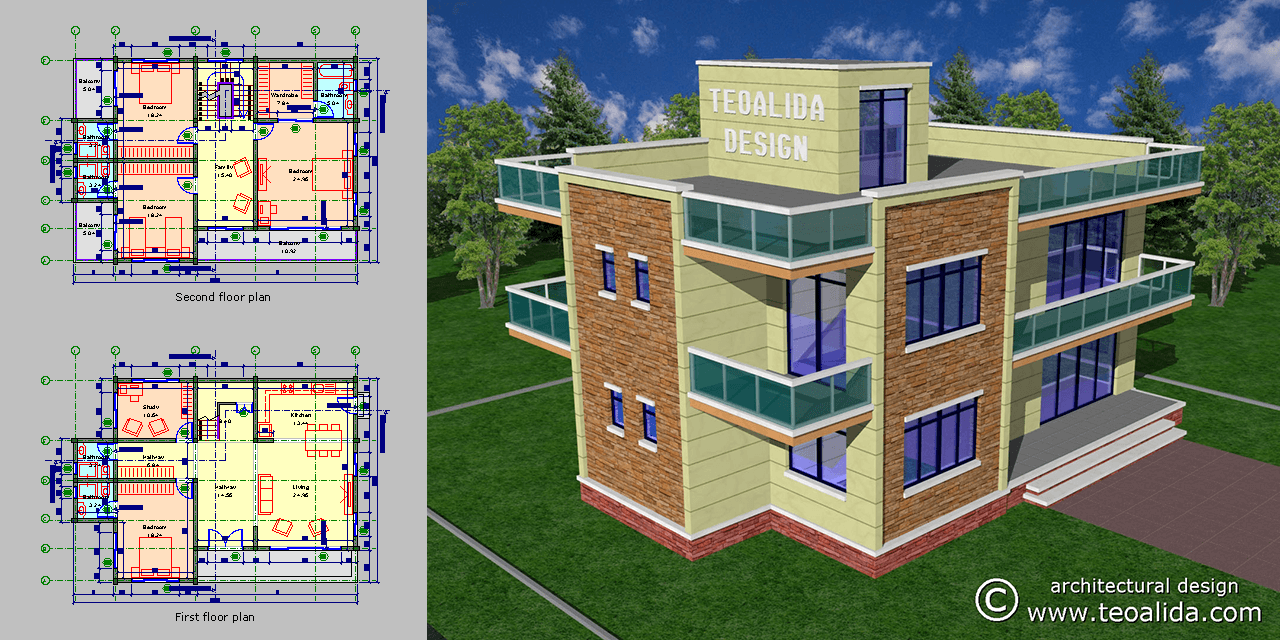
If you are student or love architecture, I invite you to check the apartments designed by me, some being inspired from HDB and improved or alternatives of HDB layouts.
surveys & polls
I want HDB floor plans categorized by flat type instead of decade?
Interesting idea! BUT have more disadvantages than advantages.
- People may misbelieve that the all 4-room floor plans posted on category are the all 4-room layouts possible. Nobody could ever have all possible layouts, small differences leads to thousand distinct layouts!
- Also if I sort floor plans by flat type, will lose the connection between different flat types with similar floor plan within same block.
- People visit my website to see the flat layout before buying a resale flat, most of them know the block year, if the floor plans will be sorted by flat type, how people would know which layout is the one of their desired block?
- Some visitors use the chat in lower-right to ask me to identify or to give them floor plan of block number X. I am skilled enough to identify block generation and layouts in it just by looking into satellite photos, then indicate to visitor the block year model where to look.
I will review this idea after moving to new website, and I will have more freedom on webdesign. Meantime, try giving me BETTER suggestions!
Split this page into separate pages for each decade?
Bad idea! On which page should visitors enter? 75% of website visitors do not browse other pages than their landing page. A google search for “4-Room Model A” may land you in 2000s page when you are you looking for 1982 Model A.
Also searching entire HDB history with Ctrl+F will not work anymore.
Someone complained that floor plans are not sorted by address?
Why I WOULD sort them by town or address? Each HDB town may have dozens of floor plans, each floor plan can be found in multiple towns.
My website is HARD TO USE?
See this weird visitor behavior… browsing through a lot of pages without clicking a single floor plan in this page. May be a sign that my website is hard to use and need improvements.
Suggestions pleaseeee!!!!
Buy brochures and floor plans!
I use my time to chat with website visitors and help numerous people finding HDB floor plans and give tips about buying. Researching HDB, searching for floor plans and maintaining this website takes time. The chat itself cost me $134 per year, proof.
March 2012 Sale of Balance flats contains about 1500 PDF files with floor plans, they will be deleted some day, saving each of them takes about 20 hours of unpaid time.
Webs is free hosting, with limited storage and bandwidth, I moved the website on paid hosting.
If you want me to continue, please support me!
HDB sell floorplans of desired flats, for $5 per floorplan.
So, I decided to sell my collection of BTO brochures since Dec 2009 onwards, for $1 per month, as well as collection of SOBF brochures of Oct 2008, Apr 2009, Oct 2009, Aug 2010, Sep 2011, that would mean several hundred floorplans with dimensions, for $10 per launch. Why you pay $5 for one floorplan when you can pay $50 for hundreds of floorplans of 5 launches? Don’t miss such great offer!
Buy them in www.teoalida.com/store/ !
Recent Comments